How Hair Curler Material Makes All the Difference

In today’s style-obsessed world, curly hair isn’t just a trend—it’s a statement. But achieving those Instagram-worthy curls boils down to one key factor: your hair curler material.
Whether you’re aiming for soft waves or tight ringlets, the material of your curler affects everything from curl quality to hair health. Let’s dive into the top hair curler materials and how they can transform your styling game.

best curling iron for sale

Ceramic Hair Curlers: The Gentle Giant for Healthy Curls

If you’re all about protecting your hair while styling, ceramic hair curlers are your best bet. Loved by beauty pros and beginners alike, these curlers distribute heat evenly, preventing hot spots that can fry your strands. This even heat ensures your hair stays hydrated, retaining its natural shine and bounce.

Why Ceramic Curlers Shine:

  • Even Heat Distribution: Say goodbye to patchy curls! Ceramic surfaces spread heat uniformly, creating consistent, long – lasting curls.
  • Hair – Friendly: Ideal for all hair types, especially damaged or fine hair. The gentle heat minimizes breakage and split ends.
  • Versatile Curls: From loose beach waves to defined curls, ceramic curlers can do it all. Their slower heat – up time gives you more control, allowing you to perfect each curl.

Tourmaline Ceramic Curlers: Frizz – Free Curls with a Shine Boost

Looking for a curler that tames frizz and adds shine? Enter tourmaline ceramic curlers. These high – tech curlers take ceramic to the next level by infusing tourmaline crystals, which release negative ions when heated.

Benefits of Tourmaline Ceramic Curlers:

  • Frizz Control: Negative ions neutralize static, leaving your curls smooth and frizz – free.
  • Enhanced Shine: By sealing the hair cuticle, tourmaline ceramic curlers create a mirror – like finish, making your curls pop.
  • Long – Lasting Style: Perfect for dry or frizzy hair types, these curlers lock in moisture, ensuring your curls stay put all day.

Titanium Hair Curlers: Speed and Power for Stubborn Hair

For those with thick, coarse, or hard – to – style hair, titanium hair curlers are a game – changer. Known for their rapid heat – up time and high – temperature performance, these curlers can transform even the most unruly hair into stunning curls.

When to Choose Titanium Curlers:

  • Quick Styling: Heat up in seconds, perfect for busy mornings or last – minute styling.
  • High – Heat Hold: Maintain a consistent high temperature, ideal for setting long – lasting curls.
  • Powerful Performance: Great for thick hair that needs extra heat to hold a curl. Just be sure to use a heat protectant to avoid damage!
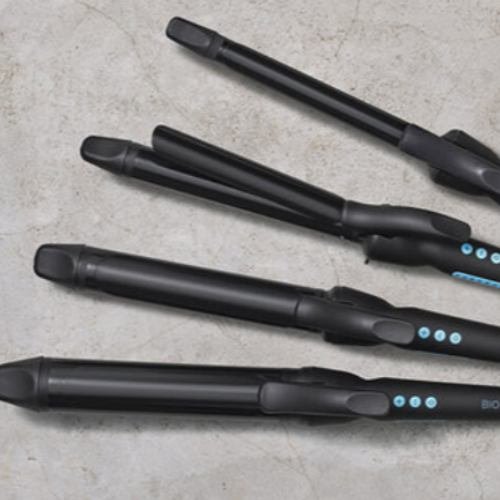
Ceramic Hair Curlers

Plastic Hair Curlers: Budget – Friendly but Proceed with Caution

While plastic hair curlers may be easy on the wallet, they come with some major drawbacks. With poor heat conductivity and uneven heat distribution, these curlers often result in inconsistent curls and potential hair damage.

Drawbacks of Plastic Curlers:

  • Uneven Heating: Can cause some sections of hair to overheat while others remain uncooked, leading to frizzy, misshapen curls.
  • Safety Concerns: High heat can cause plastic to release harmful chemicals, posing a risk to your hair and health.
  • Limited Results: Best reserved for occasional use or as a backup option. For regular styling, invest in a higher – quality material.

How to Pick the Perfect Hair Curler Material

Choosing the right hair curler material boils down to your hair type, styling needs, and budget:
  • Fine or Damaged Hair: Opt for ceramic or tourmaline ceramic curlers to minimize damage and create soft, natural – looking curls.
  • Thick or Coarse Hair: Titanium curlers can handle the heat and provide long – lasting curls, but use with care and a heat protectant.
  • Budget – Conscious: While plastic curlers are affordable, consider saving up for a ceramic or tourmaline ceramic curler for better results and hair health.
Remember, the right hair curler material can make all the difference between lackluster curls and a head – turning style. By understanding the unique benefits of each material, you can achieve salon – worthy curls from the comfort of your own home. So, what are you waiting for? Upgrade your hair curler game today and unleash your inner hairstylist!
 

Insignia Fire TV Edition Review

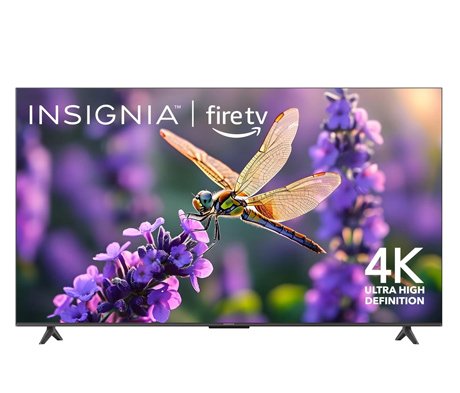
In this era of streaming battles and smart-gadget overload, the Insignia Fire TV Edition has been sneaking its way into living rooms. Powered by Amazon’s Fire OS and with Best Buy’s retail clout behind it, is it just another cheap TV, or is it the hidden gem we’ve all been missing? Let’s break down the specs, ease of use, ecosystem fit, and real-world performance to see.

Hardware: Mid-Range Punch

Quick Specsinsignia fire tv edition

  • Processor & RAM: Quad-core CPU with 2GB RAM. Not top-of-the-line, but it handles 4K streaming and casual gaming like a champ.
  • Display & Ports: Sizes range from 32” to 75”. Some models offer 4K HDR10+ and Dolby Vision, plus 3x HDMI 2.1 (with eARC!) and USB 3.0—perfect for your Xbox or that external hard drive full of “totally legit” movie backups.
  • Audio: 20W speakers with Dolby Atmos decoding. But let’s face it—if you care about sound, get a soundbar.

Design Highlights

  • Slim metal bezels and a surprisingly thin profile (just 8.7mm on the 65” model).
  • Comes with an Alexa voice remote (yay!), but no button backlighting (boo!). Good luck fumbling around in the dark.

Fire TV OS: Amazon’s Cozy Nest

Streaming Readyinsignia tv fire tv edition

  • Preloaded with Prime Video, Netflix, Disney+, it’s just Fire TV edition and the usual suspects. Just plug it in, start streaming, and binge away.
  • Say “Alexa, play Lord of the Rings” and she’ll get it going across platforms. (Unless it’s HBO Max, then she might need a sec.)

Personalized & Connected

  • It learns your viewing habits and recommends stuff you’ll actually want to watch.
  • Syncs with Echo speakers for full smart-home vibes: “Alexa, turn on the TV and play the news” = every lazy person’s dream.

Picture Quality: Good, with Moments of Great

HDR Performance

  • Brightness hits 600 nits on the 65” model—not OLED levels, but decent for HDR highlights.
  • Covers 92% of the DCI-P3 color gamut. Natural gradients, though reds can be a bit too vivid.
  • MEMC motion smoothing keeps sports watchable without turning Messi into a blur.

Against the Competition

  • Roku TV: Fewer ads, cleaner interface.
  • Google TV: More Android apps, but Fire TV’s voice control is quicker and smoother.

Downsides: Budget Has Its Quirks

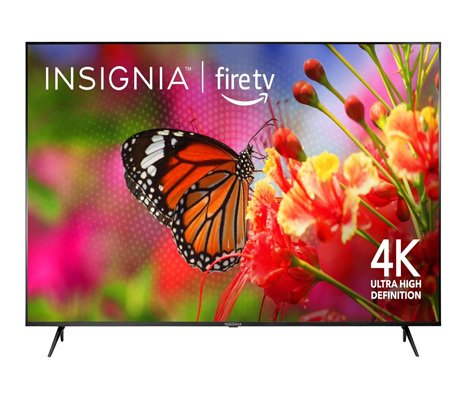
Walled Garden Bluesinsignia fire tv edition 4k ultra hd

  • Fire TV app store is missing some regional favorites like YouTube TV—requires sideloading.
  • Amazon really wants you to see those ads. “Sponsored Content” is a permanent fixture on the home screen.

Hardware Hiccups

  • Some models only have 8GB of storage. That’s basically one game and a dream.
  • Remote doesn’t use Bluetooth. Lose it and you’re either buying a replacement or shouting at Alexa like a crazy person.

Who’s It For?

Great For:

  • Amazon Prime Junkies: Seamless integration.
  • Renters & Students: The 32” F20 Series sometimes drops below \$80—no joke.
  • Seniors: Alexa voice control = fewer button struggles.

Buying Tips:

  • Bedroom: 32″ is plenty.
  • Living room: Go 55” or bigger.
  • Best Value: 65” F30 Series (4K + 120Hz) = pure perfection.
  • Avoid: Shady resellers. Stick to Best Buy or Amazon for peace of mind.
  • Learn More: insigniatelevision.com

The Smart TV That Does It All

The Insignia Fire TV Edition might not wow you with cutting-edge features, but it does a lot right for the price. Decent performance, solid Fire TV integration, and a price tag that won’t make you weep. It’s not for tech snobs or movie buffs—but for everyday streamers, it nails that “just works” feel.
 

Is it Necessary to Buy Attic Exhaust Fan?

It is normal to have a hot attic, however, the excess heat from the attic can increase the temperature in your home can cause damages to your roof. So, do not neglect your attic because it can protect your roof and helps maintain the temperature inside your home. That is why it is necessary to buy an attic exhaust fan.

Is it necessary to buy an attic exhaust fan?

Read on to learn more.

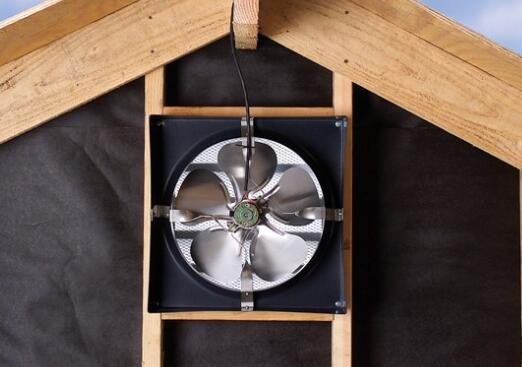
getting attic fans

1. Improve Ventilation in Your Home

Everyone hates living in a home that is too hot, especially during the summer months. You will be uncomfortable in your home. Installing an attic exhaust fan can help cut down the moisture in your attic, lowering the temperature inside your home. Improving ventilation in your home makes your home more comfortable.

2. Decreases Temperatures in Your Living Area

During summer, the temperature in your roof is very high, and the temperatures can rise to more than 150 degrees, increasing the temperatures in your living area. An attic exhaust fan is the best way to decrease temperatures in your living area. This is because it lowers the temperatures in the attic.

3. Lowering Your Expenses

How much do you spend on electricity bills every month? Your bills can increase during hot months because your attic will get hotter. Installing a fan in your attic lowers your expenses by decreasing the amount of work your air conditioner does. This means your air conditioner will not work hard to cool your home. Decreasing the temperatures in your home can help cut cooling expenses, saving you money.

4. Extends Lifespan of Your Cooling System

If the temperature inside your home is always high, your cooling system will work hard to lower the temperature. Installing a fan in your attic can help lower the temperatures inside your home, which helps prevent excess wear and tear on your cooling system since the system does not have to work hard to lower the temperature in your home.

5. Extends Roof Life

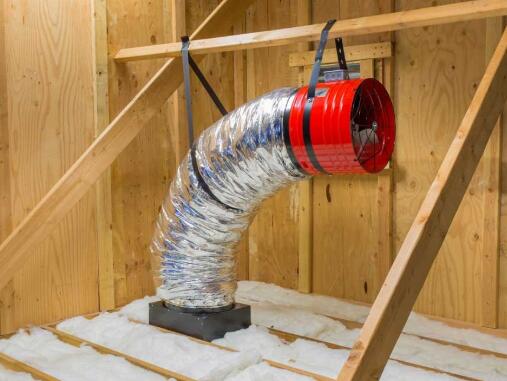
attic ventilation fans

Humidity is a big problem in most homes. As moisture rises in your home, it becomes trapped in your attic. Moisture accumulating in your attic can cause mold and other problems, which can damage the roof. Attic fan removes moisture in your attic, preventing the moisture from causing any damage to your roof. This helps extend roof life.

6. Stop Mold Growth

An attic with poor ventilation can lead to mold growth. As mentioned above, mold can cause damages to your roof, reducing the lifespan of your roof. A ventilation attic fan stops mold growth by reducing moisture in the attic. The fan ensures the hot air inside the attic and the cold air inside the home does not meet and condense in the attic.

7. Eliminate Ice Damming

Poorly ventilated attic can lead to ice damming, which always happens during cold weather. Ice damming happens when warm air leaks into the attic and causes snow to melt on the roof. Re-freezing can make the snow turn to ice, leading to the formation of ice on the roof edge, which can hold proper roofing drainage and causes ice dams on the roof. The ice dams can damage the roof sheathing.

In conclusion, it is necessary to buy an attic exhaust fan.


Factors To consider When Getting Best Tankless Water For Camper

Nowadays, there are a lot of tankless water heaters for campers available in the market. Choosing the best tankless water heater for your camper, therefore, it becomes very difficult. However, with the required specifications of your camper, you can choose the best water heater for your RV. There are also factors which you need to consider when choosing a tankless water heater for your camper. Some of the factors to consider include, the flow rate, the heating capacity, price, the source of energy, warranty, and the location of installation. (For most detailed description on each of factors in buying, you can check through Heaters Forlife.com.)With these factors in mind, then you can purchase the best water heater for your camper in the available market. Here is an explanation of the factors:

camping tankless water heater

1. The Flow rate of the heater.

The flow rate of tankless water heaters differs from one water heater to the other. It’s very essential that when you are choosing a tankless water heater to install in your RV, you choose one which has enough flow rate that will meet the work you want it to do.

The flow rate of tankless water heaters is usually measured in gallons per minute. The water heaters provide different gallons per minute ranging from 1 to 10. The more the gallons your water heater has the more the price. You should choose your heater depending on the kind of work you want to do. For instance, if you want a tankless water heater for showers and kitchen purposes, then you can choose a water heater that has an average flow rate of 3 gallons per minute.

2. Energy sources for your heater.

When you are choosing your tankless water heater, you must consider which will be your source of energy in the camper. This will depend on the kind of tankless water heater you chose. There are gas and electric types of tankless water heaters. All of them have benefits and disadvantages and it will all depend on which you prefer than the other. The gas tankless water heater cost less than the electric ones. They also have a bigger flow rate than the electric ones but when it comes to installation, the electric tankless water heater is easier to install compared to the gas water heater.

Gas tankless water heaters consume a lot of space in your camper and therefore may not be appropriate if your RV has a small space. The electric water heater is on the other side costly to operate because they consume a lot of electricity. With these in mind, it all depends on you to choose the best that will fit your needs.

3. Weight and size of the water heater.

Tankless water heaters come in different weights and sizes. When you are purchasing your water heater, you should consider heaters that have less weight so as not to put pressure on your RV tires. The heater is an added appliance in your RV and should not be so heavy.

If you have small campers, then you should consider buying tankless water heaters that occupy less space. However, it will also depend on the kind of items that will use the heater. If the items are too many, then you should buy a big tankless water heater.

4. Installation location.

Before buying your tankless water heater you must consider the location where you are going to install it. The location should also not consume a lot of space in your RV. Depending on the size of your RV, you can install the heater outside of the camper to save on space.

The location of your camper should be appropriate where the other items in the RV can access it and also have ample ventilation. If installed outside, it should be easily accessible.

5. The heating capacity

The heating capacity of the outdoor gas heater depends on the location you are camping. If the area you are traveling has very cold water, then your heater may heat the water but it doesn’t get hot. Therefore, you need to buy a heater that has a very high heating capacity which will heat your water to levels you want. For areas that have warm water, then the tankless water heater you should buy is a heater that has an average heating capacity.

6. Warrant

Since tankless water heaters are a big investment, then you should buy those that have a warranty to ensure that they are protected in case they get destroyed. Before buying them, it’s good that you compare the different warranties of different models. The best warranty for your heater is one that lasts from ten to fifteen years.

7. The design

You should also consider buying a tankless water heater that has a display which is easy to operate. The design of your heater should also be favorable depending on your needs. Choose a heater that will heat water for all units in your camper.

The best choice for your camper is a tankless water heater. Despite the fact their cost is high, they are a long-lasting appliance. They definitely fit your RV lifestyle and will lower your bills greatly. This makes it a must-have appliance during your camping trips. If you follow these factors when buying tankless water heaters, then you will enjoy your camping trip with the best water heater.