Core Principles of AAC Block Plant Site Selection
For entrepreneurs and manufacturers looking to set up an AAC block plant, site selection is a make-or-break decision that directly impacts production costs, efficiency, and market competitiveness. The success of your facility hinges on balancing practical operational needs with long-term scalability—here’s how to approach it strategically.
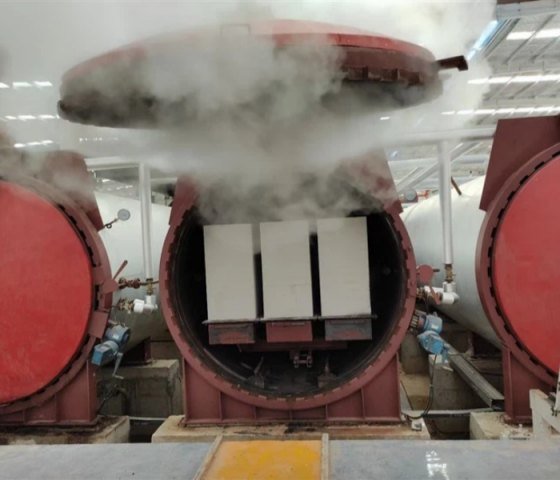
Prioritize Proximity to Key Raw Materials
AAC blocks are primarily made from sand, cement, lime, gypsum, and aluminum powder. Transporting bulk materials like sand and cement over long distances can skyrocket production costs—sometimes accounting for 20–30% of total operational expenses. Ideally, your plant for AAC Blocks should be within a 50-kilometer radius of reliable sand quarries and cement suppliers.
This not only cuts down on fuel costs but also ensures a steady supply chain, avoiding production halts caused by material shortages. Additionally, check local regulations for raw material extraction; some regions have strict environmental laws that may limit sand sourcing, so aligning your site with compliant suppliers is non-negotiable.
Optimize Logistics Radius for Finished Products
AAC blocks are bulky yet lightweight, meaning transportation efficiency hinges on minimizing delivery distances to target markets. If your primary customers are local construction firms, housing developers, or infrastructure projects, the plant should be centrally located within a 100-kilometer service radius.
Beyond this range, transportation costs will erode profit margins, and the risk of block damage during long hauls increases. For plants targeting regional markets, proximity to highways, railways, or ports is critical—these transportation hubs streamline bulk shipments and expand your market reach without excessive cost burdens.
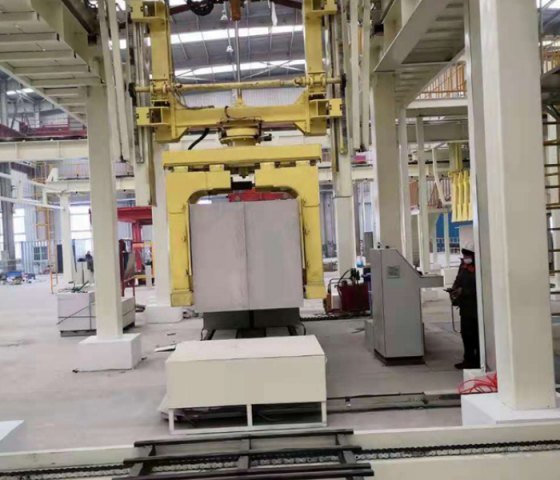
Secondary Factors to Secure Operational Success
Don’t overlook the auxiliary elements that complement raw material and logistics needs—they’re just as vital for smooth day-to-day operations. Access to affordable utilities (electricity and water are essential for AAC production and autoclaving processes) is a must, as is the availability of skilled labor in the local area. Additionally, verify compliance with local zoning laws and environmental regulations to avoid costly delays or penalties.
Many regions have specific guidelines for manufacturing facilities, especially those handling construction materials, so conducting thorough due diligence here saves time and resources down the line.
In conclusion, smart site selection for an AAC block plant boils down to balancing raw material proximity, logistics efficiency, and auxiliary operational factors. Get this right, and you’ll lay a solid foundation for a profitable, sustainable manufacturing business in the booming AAC industry.